Discover Cioppino's
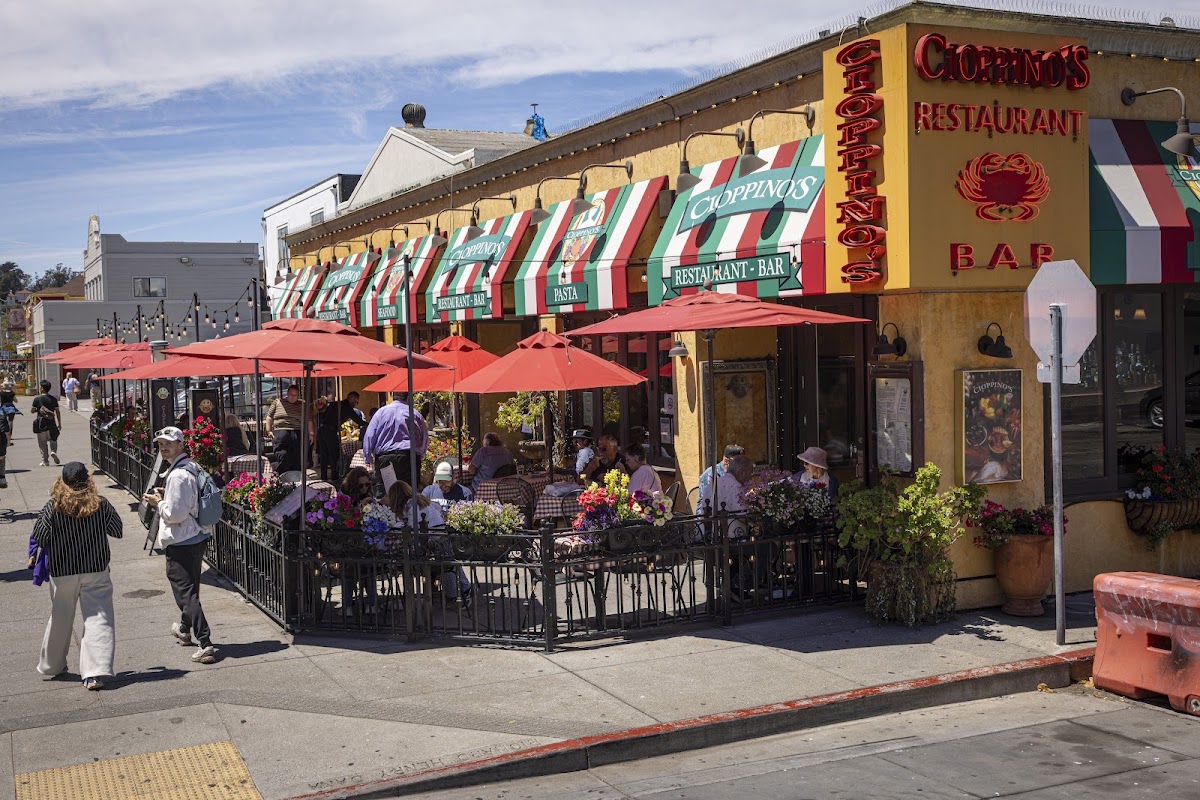
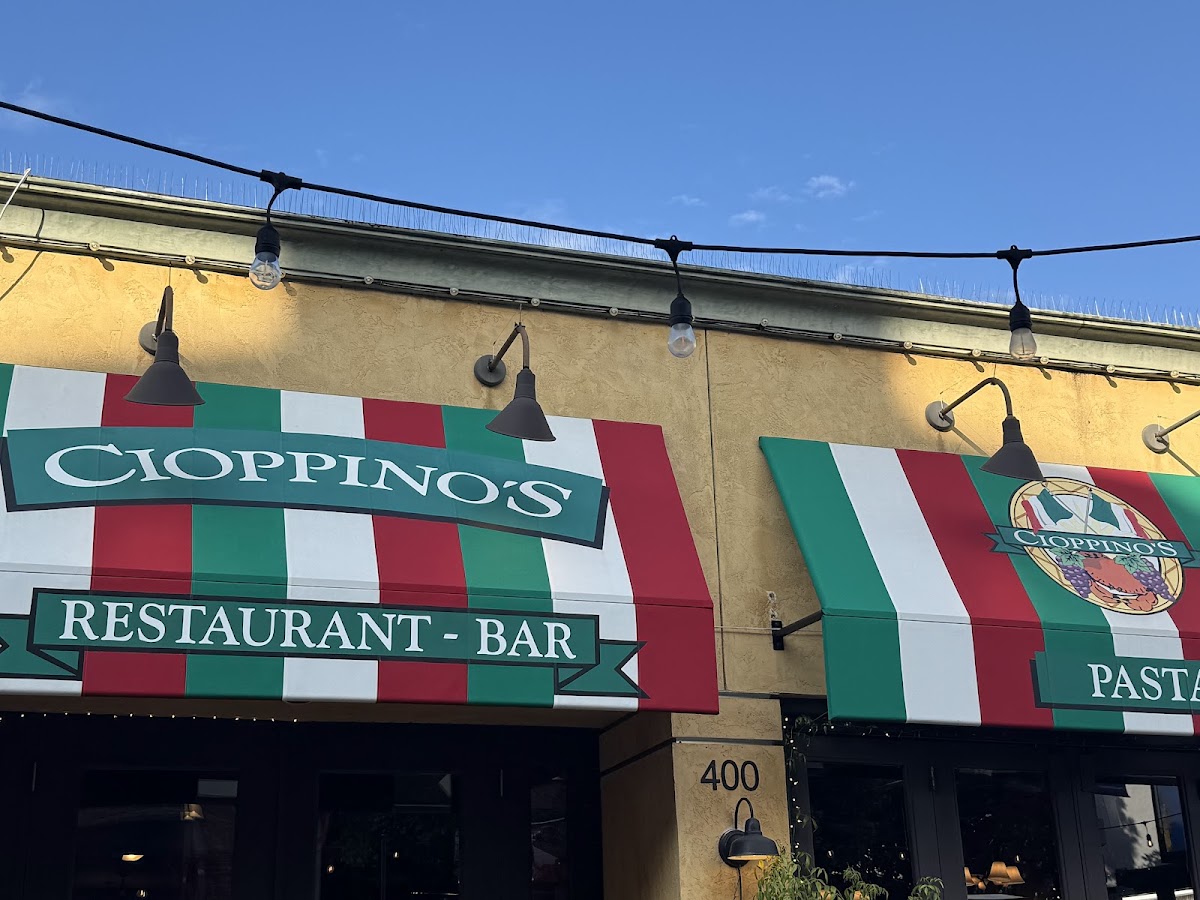
Walking into Cioppino's for the first time, I remember the smell before anything else-the unmistakable mix of garlic, tomatoes, and fresh seafood drifting out from the kitchen and onto Jefferson Street. Located at 400 Jefferson St, San Francisco, CA 94109, United States, this diner-style seafood spot sits right in the heart of Fisherman’s Wharf, yet it manages to feel grounded and unpretentious in a neighborhood that can sometimes lean touristy. I’ve eaten here more times than I can count, both with visiting family and on casual weeknights, and the experience has stayed consistently solid.
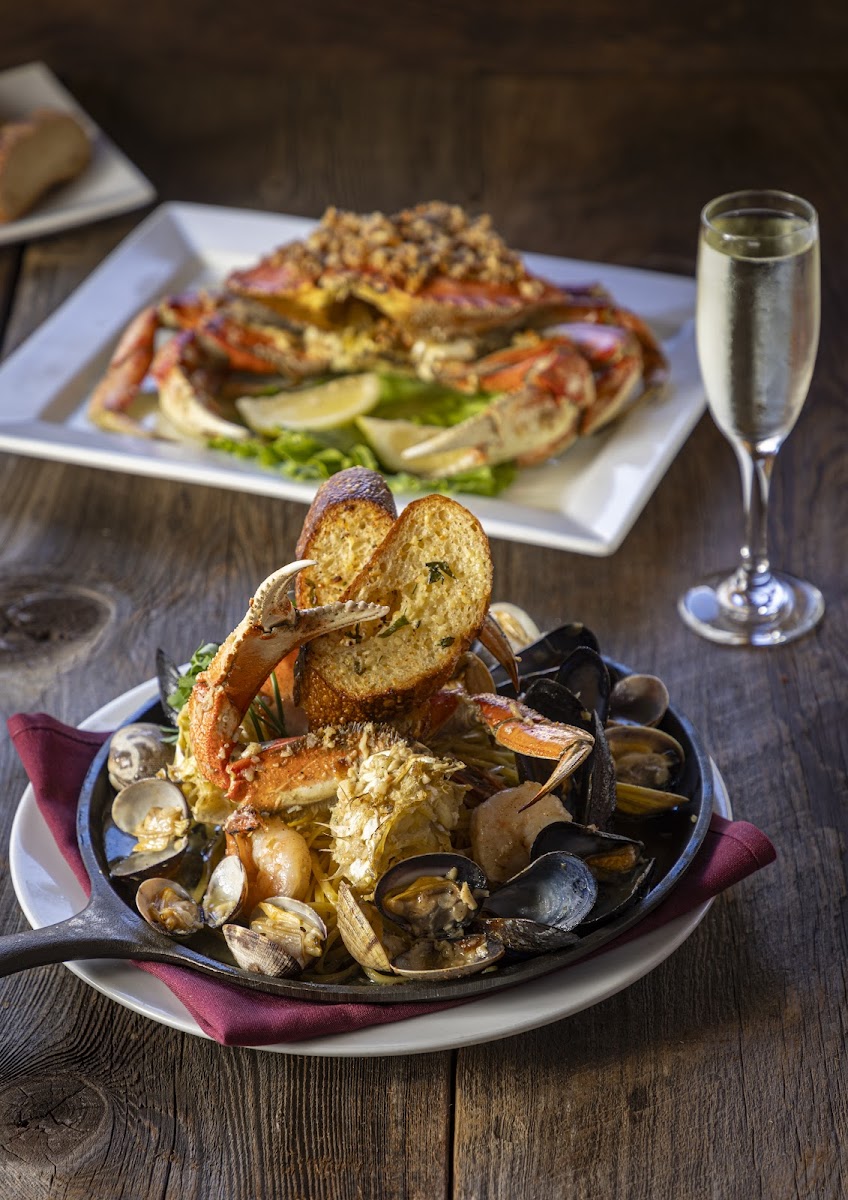
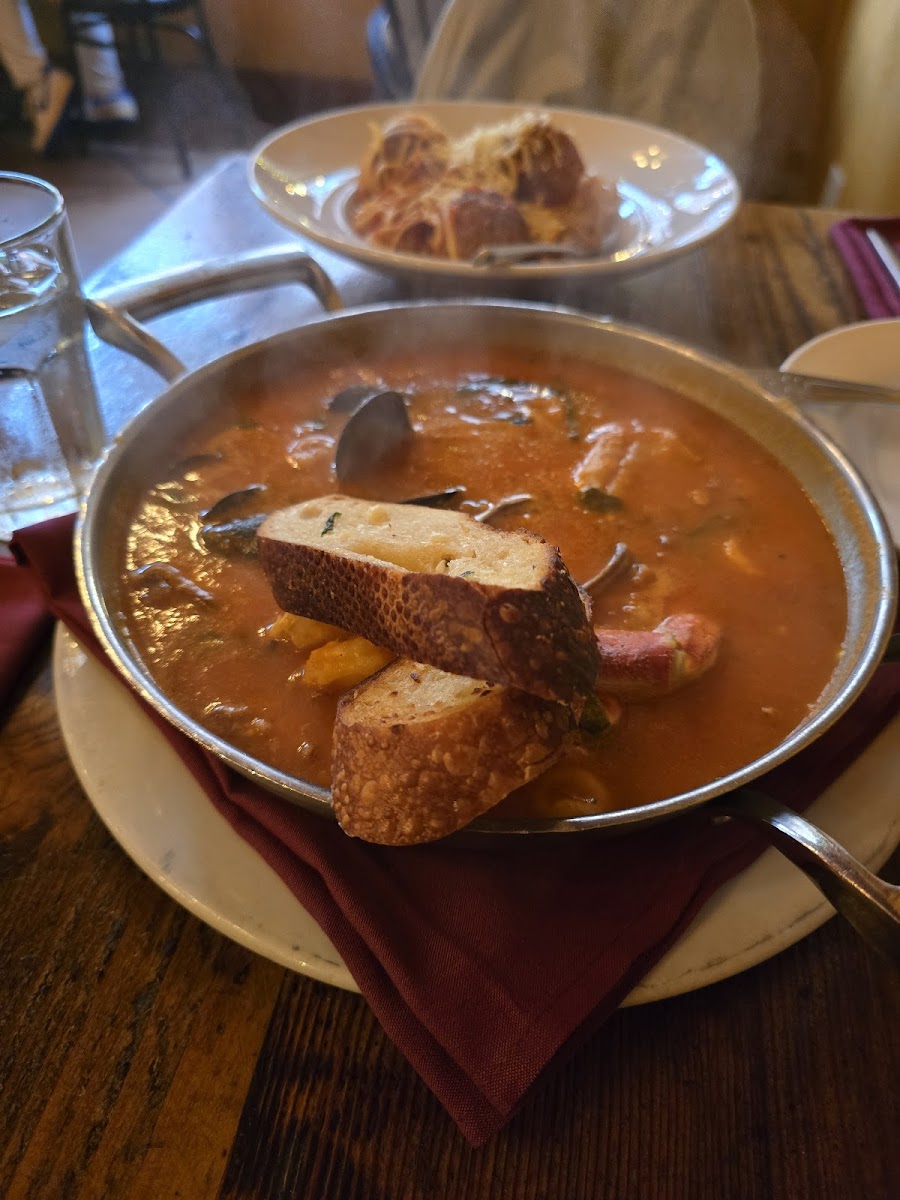
The menu leans heavily into Italian-American seafood traditions, with cioppino being the obvious star. For anyone unfamiliar, cioppino is a San Francisco-born stew made with Dungeness crab, clams, mussels, shrimp, scallops, and fish simmered in a tomato-wine broth. According to food historians from the Smithsonian National Museum of American History, the dish dates back to Italian immigrant fishermen in the late 1800s, who cooked it using the day’s catch right on the docks. That history shows up here not as a gimmick, but as a recipe that respects its roots. The broth is layered rather than salty, and the seafood is added in stages so nothing turns rubbery, a method chefs often recommend to preserve texture.
On one visit, I sat near the open kitchen and watched the cooks build the stew step by step-starting with sautéed onions and garlic, then tomatoes, herbs, wine, and finally the seafood in carefully timed intervals. That process matters. Research from the Culinary Institute of America highlights that staggered cooking is essential when working with mixed shellfish, since each protein cooks at a different rate. You can taste that care in every spoonful.
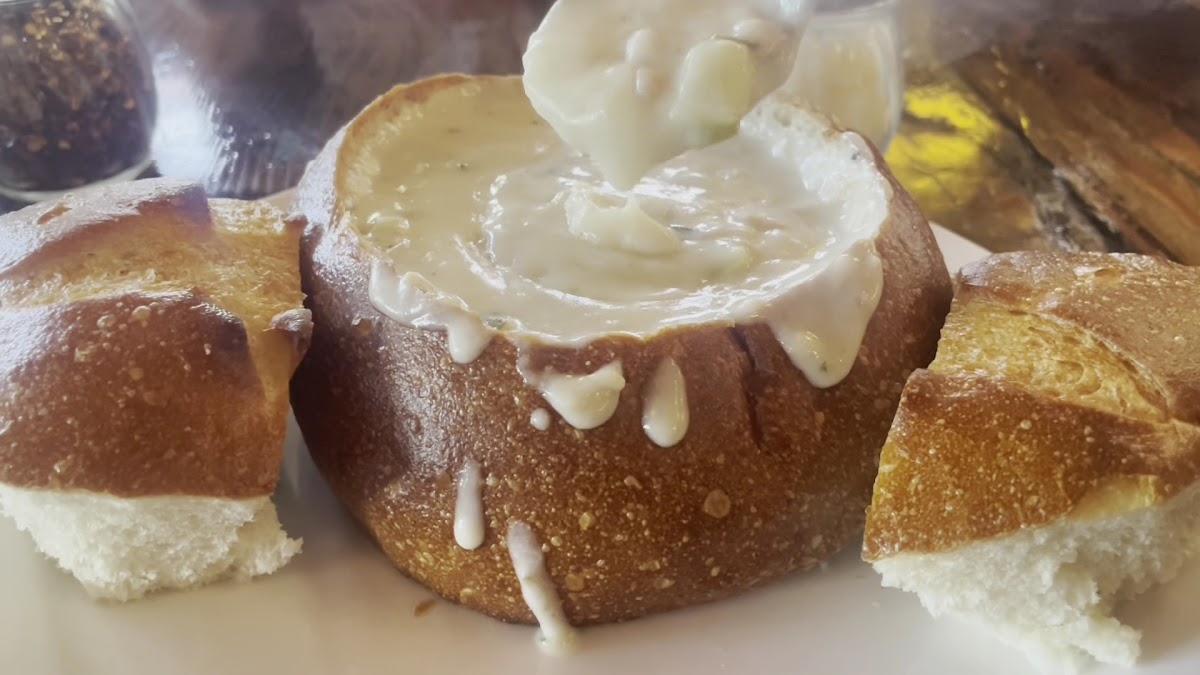
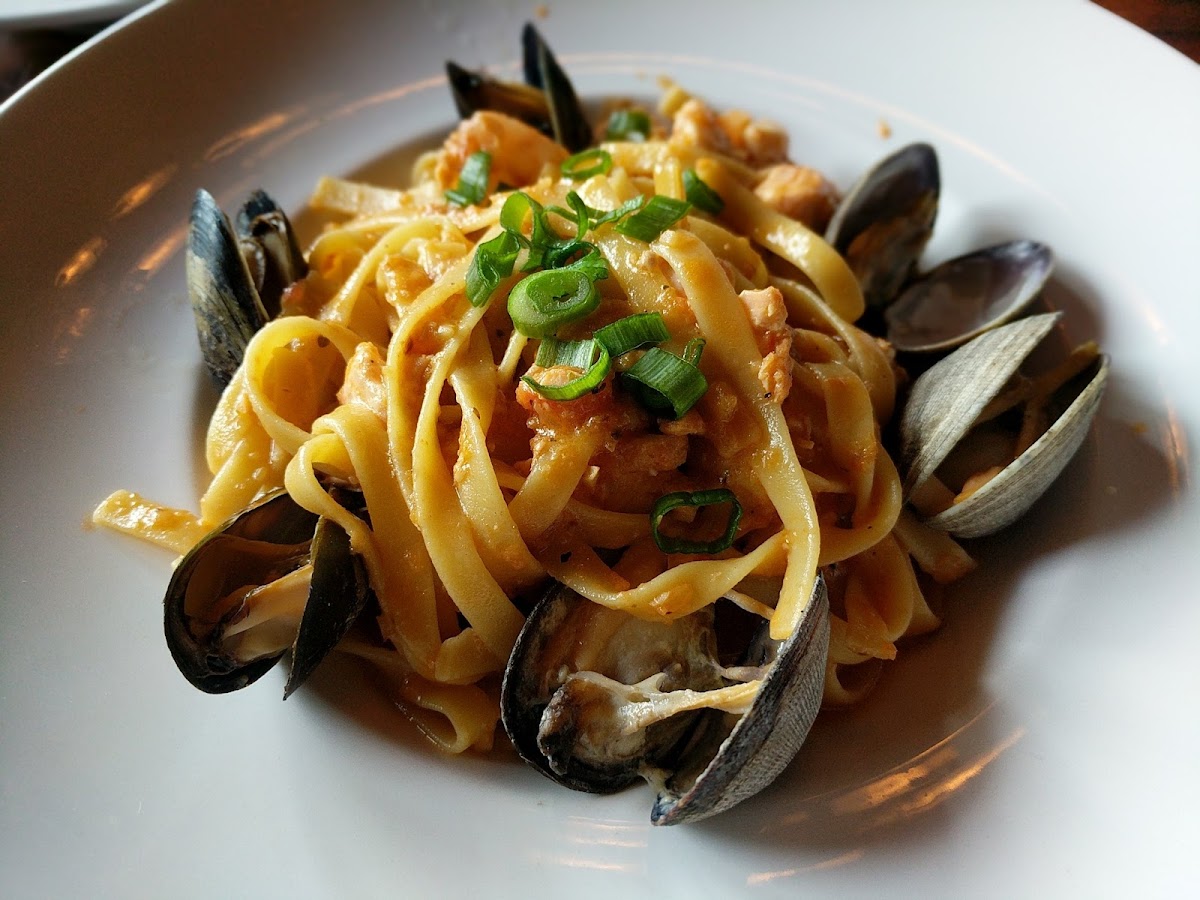
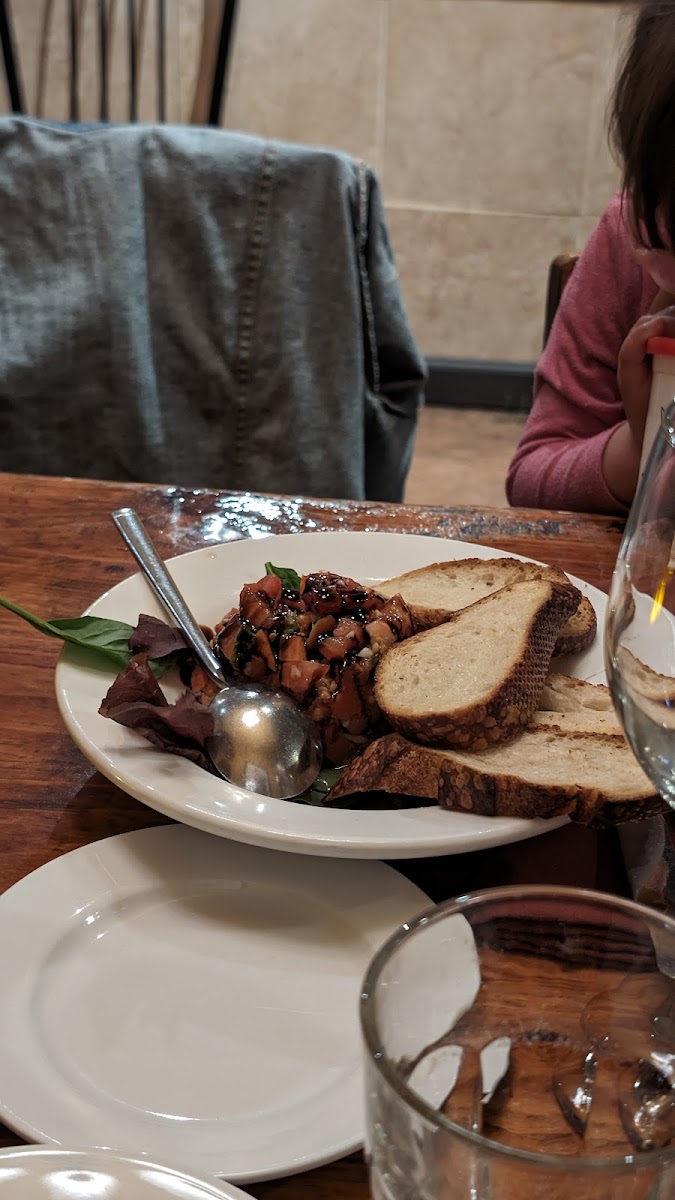
Beyond the signature stew, the menu includes classic options like linguine with clams, calamari, and grilled salmon, along with straightforward sides like sourdough bread that’s perfect for soaking up sauce. Portions are generous without being excessive, which makes it easy to share plates if you’re dining with a group. I’ve noticed many reviews mention this balance, especially from locals who come back regularly rather than treating it as a one-time stop.
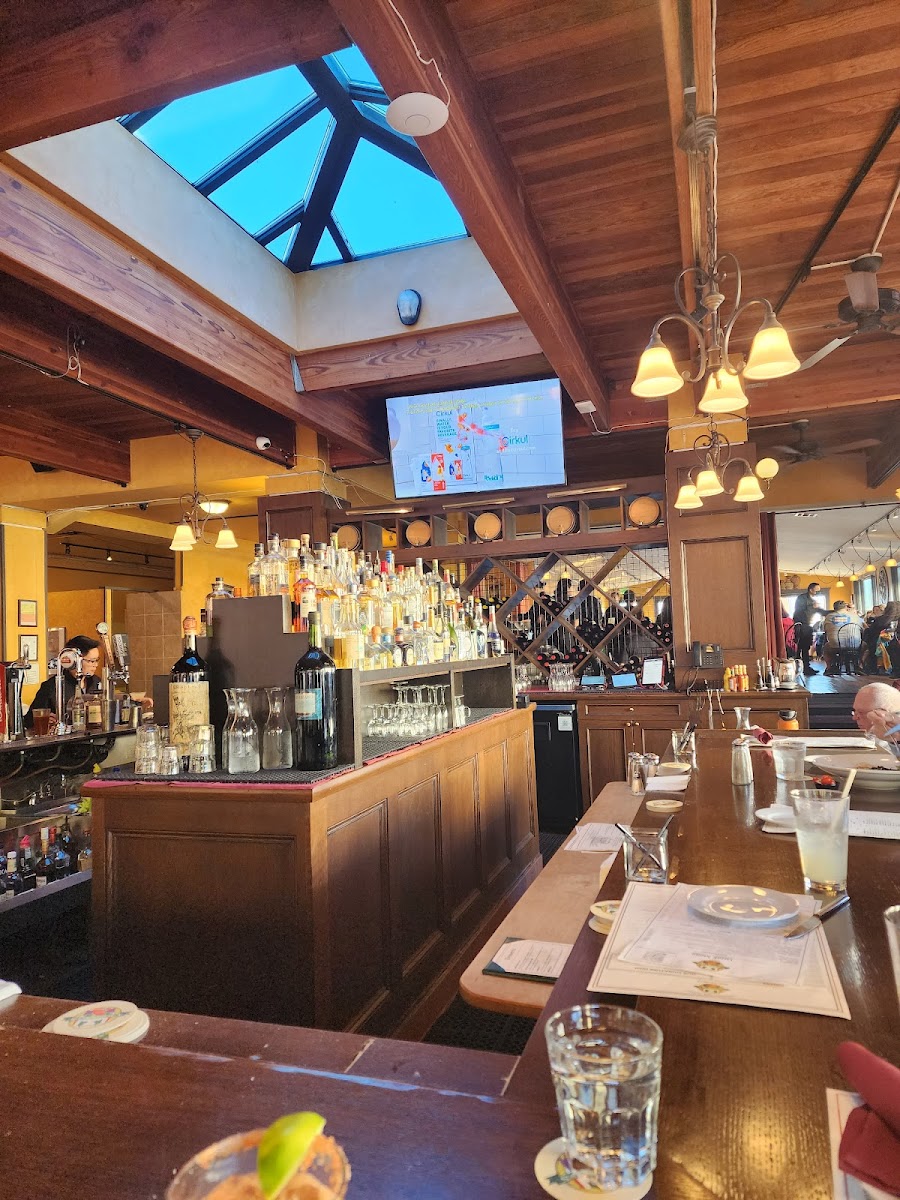
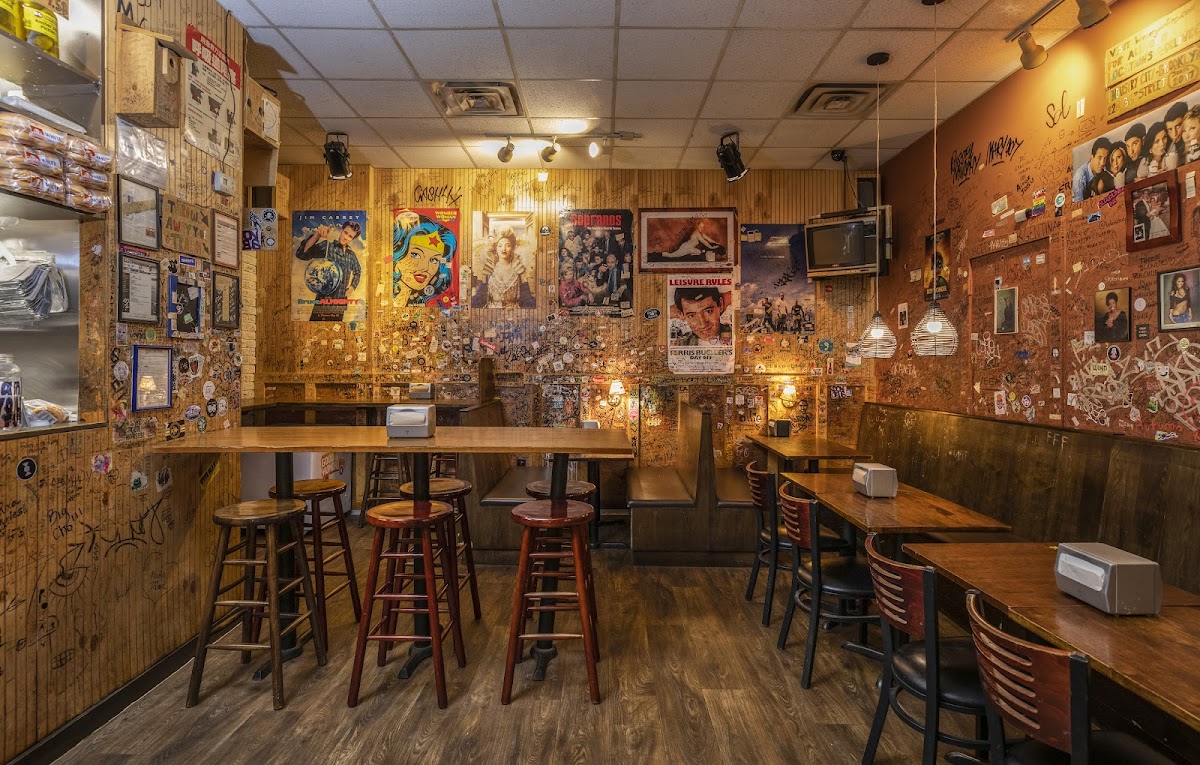
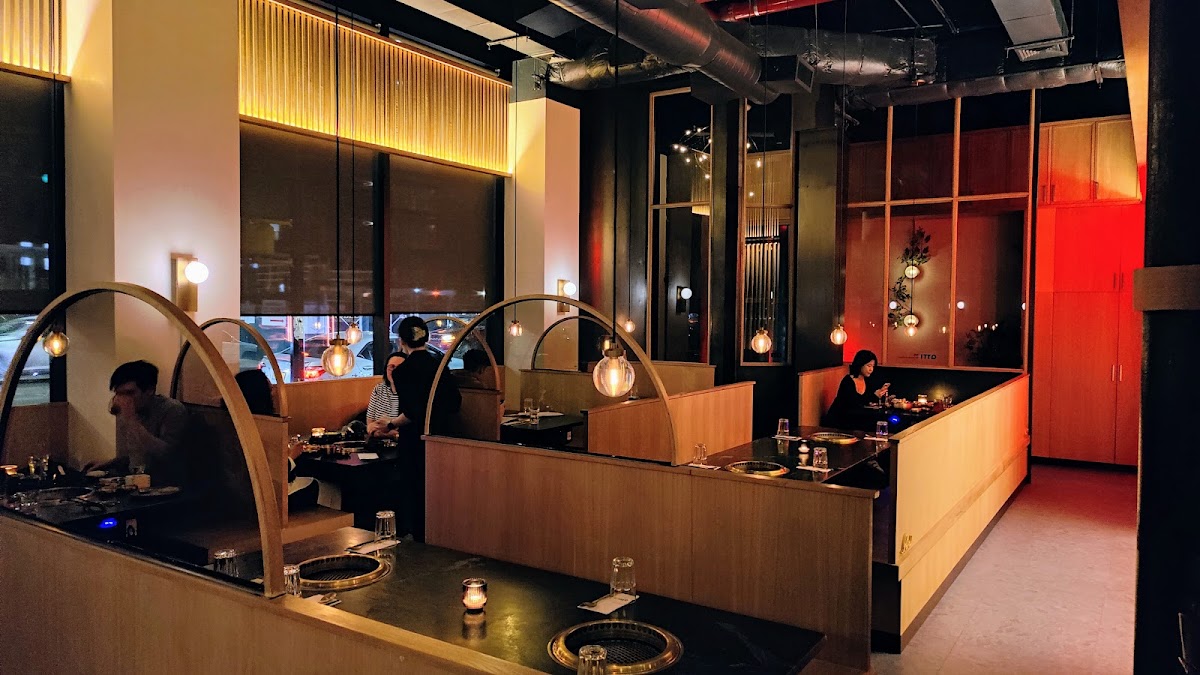
The dining room itself feels lived-in, with wooden booths, vintage photos, and the steady hum of conversation. Service tends to be friendly and efficient, even during busy evenings. On a packed Saturday night, our server managed to keep things moving without rushing us, checking in just often enough to make sure drinks stayed full and questions about the menu were answered clearly. That kind of pacing reflects good front-of-house training, something the National Restaurant Association often cites as a key factor in repeat business.
One thing worth noting is that while the location draws plenty of visitors, prices stay in line with the quality and portion sizes. Seafood isn’t cheap, especially fresh shellfish, and the pricing reflects current market rates rather than inflated hype. Online reviews across major platforms consistently point out value for money, especially compared to nearby restaurants offering similar dishes.
There are a few limitations to keep in mind. Seating can feel tight during peak hours, and parking in the area is never simple. If you’re sensitive to noise, the lively atmosphere might feel a bit loud on weekends. Still, those trade-offs come with the territory when a restaurant sits in such a busy waterfront location.
What keeps me coming back is the sense that this place knows exactly what it is. It doesn’t chase trends or reinvent itself every season. Instead, it focuses on well-executed seafood, a menu that honors local history, and a dining experience that feels honest. In a city known for culinary innovation, there’s something reassuring about a restaurant that sticks to tradition and does it right, meal after meal.